The Staleness Problem: Why Your Market Intelligence Is Already Outdated
There’s an uncomfortable truth in the PE due diligence world that doesn’t get talked about enough: by the time most strategic analyses are delivered, the market they describe has already moved.
A typical commercial due diligence engagement — whether from a Big Four advisory practice or a mid-market boutique — takes two to eight weeks from kickoff to final report. Pricing ranges from $50K for a scoped-down boutique assessment to $150K or more for a comprehensive strategy engagement from a name-brand firm.
The work product is usually rigorous. But here’s the problem: it’s a snapshot. And snapshots have a shelf life.
What changes in two to eight weeks?
Consider what can shift in a mid-market competitive landscape during a typical CDD timeline: a competitor closes a funding round and announces expansion plans; a regulatory body issues new guidance that reshapes compliance requirements; macroeconomic signals shift and customer buying behavior adjusts accordingly; a key executive departs and the competitive dynamic around talent changes overnight.
The consultant’s “moment in time” is a moment that has already passed. The competitive dynamics, regulatory environment, and macroeconomic conditions that informed the analysis at kickoff are different from those in effect at delivery. The client is making investment decisions based on a picture of the world that no longer exists.
The deeper structural gap
Even setting aside the staleness of the initial deliverable, there’s a more fundamental problem: once the report is delivered, the intelligence stops. There is no ongoing monitoring, no continuous synthesis, no mechanism to flag when the market conditions that informed the original thesis have materially changed.
Data platforms like PitchBook and CB Insights offer continuous feeds, but they provide raw data without strategic synthesis. The client must still assign internal resources or engage another consultant to turn that data into actionable intelligence. The data is fresh, but the insight layer is missing.
This creates a structural gap in the market: PE firms are spending significant capital on intelligence that is either stale at delivery (traditional consulting) or perpetually unfinished (data platforms).
Even setting aside the staleness of the initial deliverable, there’s a more fundamental problem: once the report is delivered, the intelligence stops.
What would it take to close the gap?
The requirements are straightforward in theory, difficult in practice. First, the initial analysis needs to be delivered fast enough that it reflects the market as it actually is — days, not weeks. Second, intelligence needs to be continuous rather than project-based, with real-time monitoring that surfaces strategic implications as market conditions evolve. Third, the data layer and the synthesis layer need to be integrated — raw feeds are not enough; someone needs to interpret what they mean for the specific portfolio context.
AI-powered analytical platforms like A(i)scent from NorthShift are beginning to make this possible. By automating the data gathering and initial synthesis that traditionally requires weeks of analyst labor, these platforms compress the timeline from weeks to days. And because the analytical engine runs continuously, the intelligence doesn’t stop when the report is delivered — it becomes an ongoing capability rather than a one-time deliverable.
The question for PE firms
The next time your firm commissions a strategic analysis, it’s worth asking: how much will the market have changed by the time this lands on my desk? And once it does, what happens next?
The firms that answer those questions honestly may find that the traditional consulting model — however rigorous — is leaving them structurally behind.
Recent Posts
Is The AI Analyzing Your Deals Also Exposing Them?
An examination of how AI-powered deal and portfolio tools handle confidential data during normal operation — and why the architecture of those…
The Invisible Data Problem
An examination of how the intelligence and analytics tools widely deployed across private equity portfolios handle confidential company data — and why…
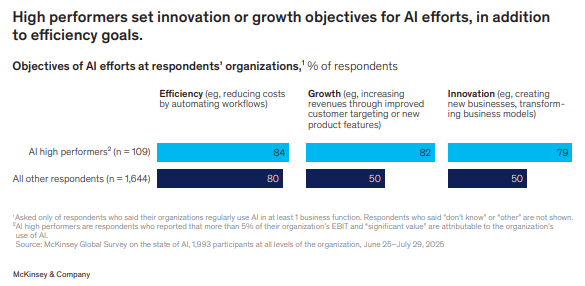
MP/GP Warning: Your LPs Don’t Care That You “Have AI.” They Care What It Changed.
LPs and boards are done funding “AI ambition.” They’re asking for proof—measurable, repeatable, auditable proof—that AI is improving the investment and execution…